
Menu
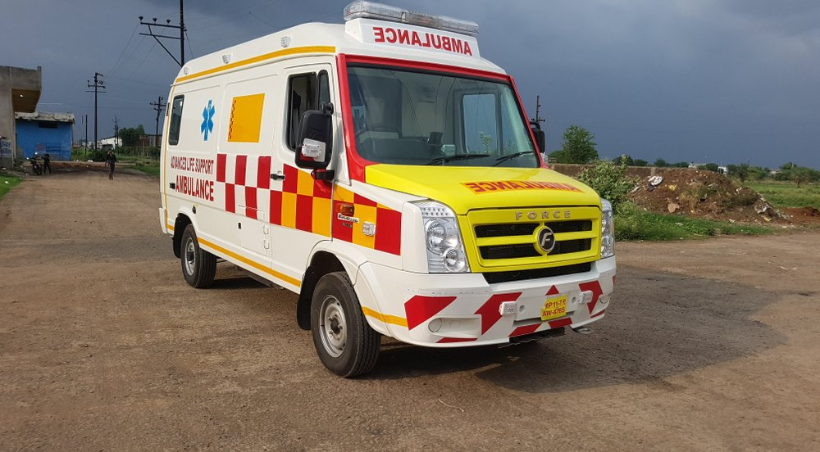
The Ambulance Services Department is a critical component of the hospital, providing rapid, safe, and efficient medical transport for patients in emergency, critical, and non-emergency situations. Operating 24 hours a day, 7 days a week, the service ensures that patients receive timely access to hospital care, whether for emergency response, inter-hospital transfers, or scheduled medical transport.
The department’s primary goal is to bridge the gap between medical emergencies and hospital care, ensuring continuity of treatment and improving patient survival and outcomes.
Scope of Services
The Ambulance Department provides a comprehensive range of services designed to meet the needs of both emergency and non-emergency patients:
- Emergency Response: Rapid transportation for accident victims, cardiac emergencies, respiratory distress, trauma, and critical medical conditions.
- Inter-Hospital Transfers: Safe transfer of patients requiring specialized care or advanced medical interventions not available at the referring facility.
- Scheduled Medical Transport: Transportation for dialysis patients, chemotherapy, routine check-ups, and follow-up care.
- Mobile Medical Support: Ambulances equipped with advanced life support systems provide medical intervention en route to the hospital.
Key Objectives:
- Ensure rapid and safe patient transport.
- Provide prehospital stabilization and monitoring.
- Maintain continuity of care during transit.
- Support hospital emergency and critical care departments.
Fleet & Infrastructure
The Ambulance Department operates a fleet of fully equipped vehicles designed to meet various clinical and logistical needs:
- Advanced Life Support (ALS) Ambulances: Equipped with cardiac monitors, defibrillators, oxygen delivery systems, and emergency medications for critically ill patients.
- Basic Life Support (BLS) Ambulances: For stable patients needing safe transportation with basic medical monitoring.
- Specialized Transport Vehicles: For neonatal, pediatric, and bariatric patients with tailored equipment.
All ambulances are maintained to strict safety and hygiene standards, including regular vehicle servicing, equipment checks, and disinfection protocols.
Patient Safety & Care Protocols
Patient safety is the top priority. Protocols followed include:
- Pre-transport assessment and triage of patients.
- Continuous monitoring of vital signs during transport.
- Use of stretchers, immobilization devices, and safety restraints to prevent injury.
- Immediate communication with the receiving hospital for seamless handover.
- Adherence to infection control practices, including routine cleaning and sterilization of equipment and vehicles.