Menu
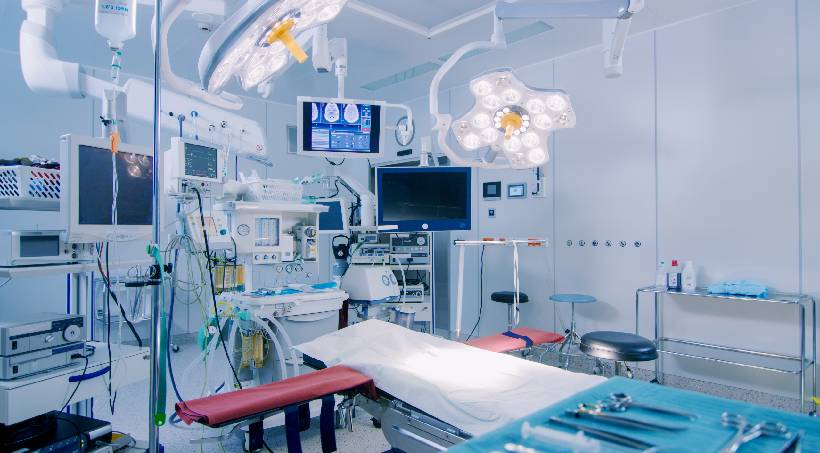
The Trauma Unit is a specialized hospital department dedicated to the rapid assessment, stabilization, and treatment of patients with severe injuries resulting from accidents, falls, violence, or other emergencies. Operating 24/7, the unit is equipped to provide life-saving interventions, critical care, and multidisciplinary management for trauma patients.
The department combines advanced medical technology, skilled healthcare professionals, and strict clinical protocols to minimize morbidity and mortality and ensure optimal patient outcomes.
Scope of Services
- The Trauma Unit provides comprehensive care for patients with a wide range of injuries and emergencies, including:
- Emergency Stabilization: Immediate assessment and stabilization of airway, breathing, circulation, and neurological status.
- Orthopedic Trauma Management: Fracture management, splinting, and orthopedic surgery for complex injuries.
- Neurotrauma Care: Rapid evaluation and treatment of head, spinal, and brain injuries.
- Soft Tissue & Internal Organ Injuries: Management of abdominal, thoracic, and soft tissue trauma.
- Burn & Wound Care: Specialized management for burn injuries, lacerations, and open wounds.
- Mass Casualty & Disaster Response: Protocol-driven care for multiple trauma victims simultaneously.
Key Objectives:
- Provide immediate life-saving care to severely injured patients.
- Minimize secondary injury and complications.
- Coordinate multidisciplinary management for complex trauma cases.
- Support early recovery and rehabilitation.
Infrastructure & Equipment
- The Trauma Unit is equipped with state-of-the-art emergency and critical care infrastructure, including:
- Trauma Bays & Resuscitation Rooms: Designed for rapid assessment and immediate intervention.
- Advanced Monitoring Systems: Continuous tracking of vital signs, oxygen saturation, and cardiac function.
- Emergency Imaging Access: Portable X-ray, ultrasound, CT scan, and diagnostic support for rapid evaluation.
- Surgical & Procedure Support: Fully equipped for emergency surgeries and bedside procedures.
- Life Support & Critical Care Equipment: Ventilators, defibrillators, infusion pumps, and blood warmers.
- Rapid Access Pharmacy & Blood Bank Support: Immediate availability of medications, blood products, and fluids.