
Menu
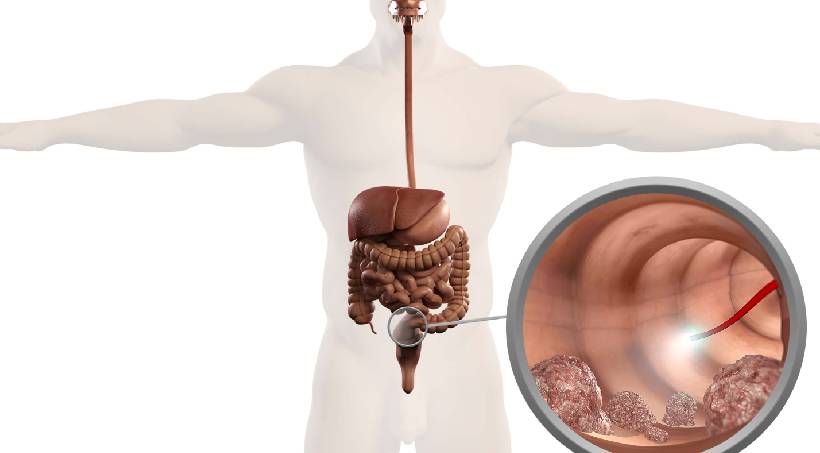
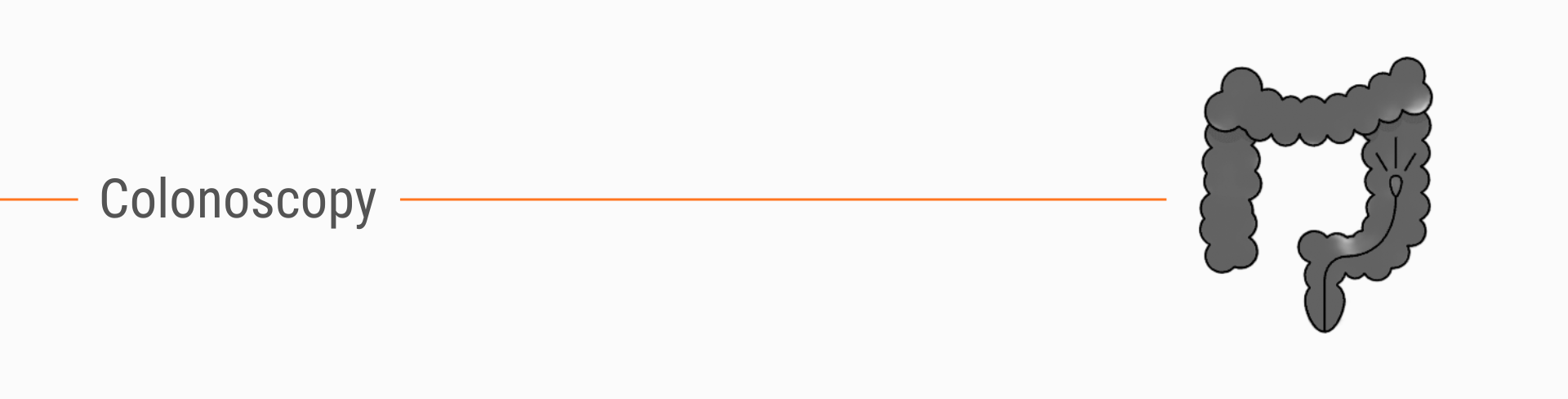
The Colonoscopy Department is a specialized unit focused on the diagnosis, treatment, and prevention of lower gastrointestinal (GI) tract disorders. Colonoscopy is a minimally invasive procedure that allows direct visualization of the colon and rectum, enabling early detection of conditions such as colorectal cancer, polyps, inflammatory bowel disease, and gastrointestinal bleeding.
The department combines high-definition endoscopic technology, experienced gastroenterologists, and patient-centered care to ensure accurate diagnosis, therapeutic interventions, and improved patient outcomes.
Scope of Services
The Colonoscopy unit provides a comprehensive range of diagnostic and therapeutic services:
- Diagnostic Colonoscopy: Identification of polyps, tumors, ulcerations, bleeding, and inflammatory conditions of the colon.
- Therapeutic Colonoscopy: Polypectomy, mucosal resection, hemostasis of bleeding lesions, stent placement, and dilation of strictures.
- Screening & Surveillance: Early detection of colorectal cancer and monitoring of patients with prior polyps or inflammatory bowel disease.
- Biopsy & Histopathology: Tissue sampling for microscopic examination, including cancer detection and inflammation evaluation.
- Endoscopic Ultrasound (Optional): Evaluation of deeper layers of the colon wall and surrounding structures in selected cases.
Key Objectives:
- Enable early detection of colorectal diseases, including cancer.
- Provide minimally invasive therapeutic interventions.
- Reduce the risk of complications through precise and careful procedures.
- Support long-term monitoring and preventive care for high-risk patients.
Infrastructure & Technology
The Colonoscopy Department is equipped with modern endoscopy infrastructure to ensure precision, safety, and patient comfort:
- High-Definition Colonoscopes: For clear visualization of the entire colon and rectum.
- Video Imaging & Recording Systems: Real-time monitoring and documentation for diagnosis and follow-up.
- Endoscopic Accessories: Forceps, snares, injection needles, and devices for therapeutic interventions.
- Patient Monitoring Equipment: Continuous heart rate, blood pressure, and oxygen saturation monitoring during procedures.
- Sedation & Anesthesia Facilities: For conscious sedation or anesthesia as required.
- Recovery & Observation Area: Comfortable post-procedure monitoring for patient safety.
- Sterilization & Infection Control: Automated reprocessing units and strict hygiene protocols.