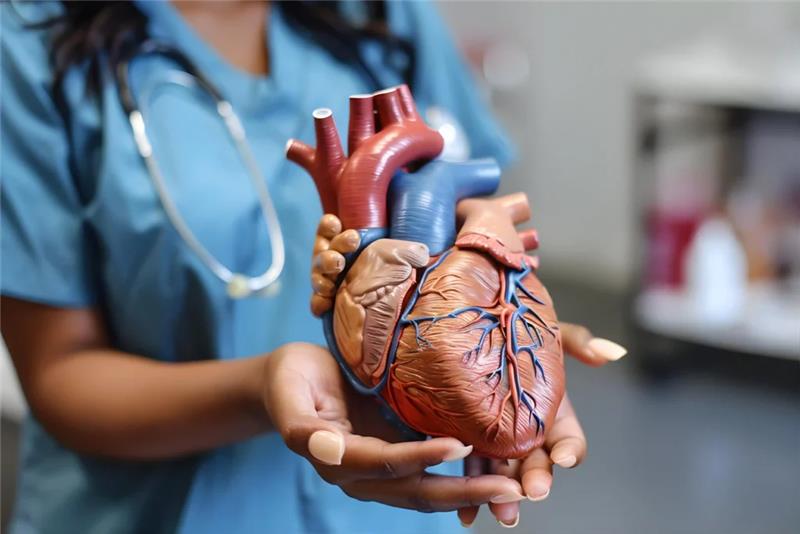
Cardiology is the science and medical practice focused on diagnosing and treating heart and blood vessel (vascular) conditions. A patient may be referred to a cardiologist if they show signs of heart disease or any cardiovascular disorder.
Cardiology is a subspecialty of internal medicine. It is important to note that a cardiologist is different from a cardiac surgeon. A cardiac surgeon performs operations on the heart through surgical incisions in the chest, whereas a cardiologist specializes in diagnosing and treating heart conditions using medications, lifestyle guidance, and minimally invasive procedures.
A cardiologist is trained to diagnose and manage a wide range of cardiovascular diseases. They may conduct tests and perform specific procedures such as pacemaker insertion, angioplasty, and cardiac catheterization.
While heart disease relates specifically to the heart, cardiovascular disease includes conditions affecting the heart, blood vessels, or both.
To practice as a cardiologist in the United States, a doctor must complete four years of medical school followed by specialized training in internal medicine and cardiology.
When would I require a cardiac surgeon?
A person may be referred to a cardiologist if they show signs or symptoms of a heart problem. Common heart-related symptoms include:
- Breathing difficulties
- Dizziness
- Chest pain
- High blood pressure
- Irregular or altered heart rhythm
A cardiologist can also evaluate abnormal test results such as a heart murmur or irregular heartbeat.
Cardiologists commonly treat patients who have experienced heart attacks, heart failure, arrhythmias, or other heart-related issues. They also help decide whether a patient needs procedures like cardiac catheterization, angioplasty, or stent placement.
Conditions Treated by a Cardiologist
Some of the heart and vascular conditions a cardiologist can diagnose and manage include:
- Coronary artery disease
- Atrial fibrillation
- Congenital heart disease
- Arrhythmias
- Enlarged heart (cardiomyopathy)
- High cholesterol and triglycerides
- Hypertension (high blood pressure)
What exactly does cardiology involve?
A cardiologist typically begins by performing a detailed physical examination and reviewing the patient’s medical history. They may check:
- Blood pressure
- Heart rate
- Blood vessels
- Weight
- Overall cardiovascular health
Depending on the symptoms, they may recommend diagnostic tests like ECG, echocardiography, stress tests, or blood tests.
An interventional cardiologist (a specialist within cardiology) may perform minimally invasive procedures such as:
- Angioplasty
- Stenting
- Valvuloplasty
- Repairs of congenital heart defects
- Coronary thrombectomy