Menu
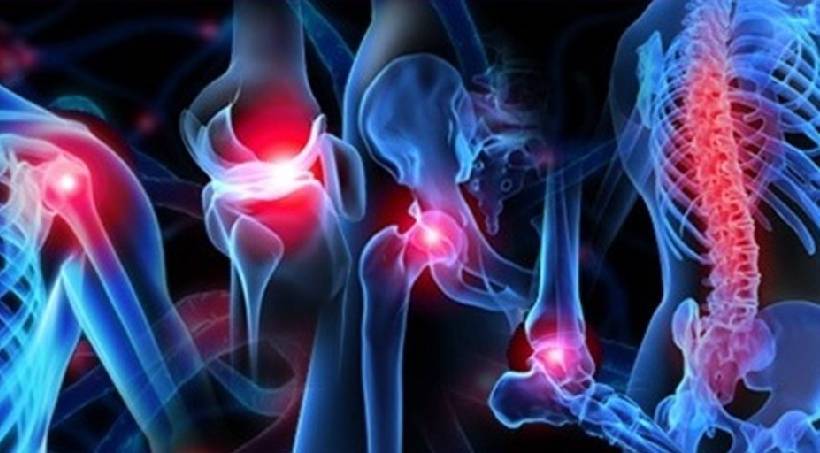
Orthopedics is a medical specialty focused on the prevention, diagnosis, and treatment of disorders related to the bones, joints, ligaments, muscles, tendons, and spine. It covers a wide range of conditions, including fractures, arthritis, sports injuries, back and neck problems, joint diseases, and congenital deformities. Orthopedic specialists work to restore mobility, reduce pain, and improve the overall function of the musculoskeletal system through both non-surgical and surgical methods.
Causes
Orthopedic problems can arise from various factors:
- Injuries and Trauma: Accidents, falls, road injuries, sports injuries, or sudden impacts can cause fractures, ligament tears, muscle strains, and joint dislocations.
- Degenerative Changes: Aging leads to natural wear and tear of joints, causing conditions like osteoarthritis, spondylosis, and chronic back pain.
- Overuse or Repetitive Strain: Continuous physical activity, heavy lifting, or repeated motion can cause tendonitis, bursitis, and muscle fatigue.
- Congenital Abnormalities: Conditions present at birth, such as clubfoot, limb deformities, scoliosis, or unequal limb length.
- Lifestyle Factors: Poor posture, obesity, lack of exercise, improper footwear, and nutritional deficiencies can contribute to joint and bone problems.
- Medical Conditions: Disorders like osteoporosis, infections, metabolic diseases, or autoimmune conditions can weaken bones and joints.
Symptoms
Orthopedic issues can present with a variety of symptoms depending on the affected area:
- Joint Pain and Swelling: Common in knees, shoulders, hips, and elbows.
- Stiffness and Reduced Movement: Difficulty bending or rotating joints.
- Muscle Weakness or Fatigue: Reduced strength or endurance in affected muscles.
- Back or Neck Pain: Persistent pain that worsens with movement or prolonged sitting.
- Numbness or Tingling: Often due to nerve compression in the spine or limbs.
- Visible Deformities: Misaligned bones or swelling after fractures or injuries.
- Difficulty Walking or Bearing Weight: Often seen in hip, knee, or ankle conditions.
- Clicking, Grinding, or Instability in Joints: Signs of ligament or cartilage damage.
Treatment
Orthopedic treatment depends on the severity and type of condition:
- Medications: Pain relievers, anti-inflammatory drugs, muscle relaxants, and medicines for bone health.
- Physiotherapy: Strengthening exercises, mobility training, posture correction, and rehabilitation to restore function.
- Lifestyle and Activity Modifications: Weight management, ergonomic adjustments, low-impact exercises, proper footwear, and improved posture.
- Supportive Devices: Braces, splints, orthotic supports, walking aids, and custom insoles to reduce strain on joints.
- Minimally Invasive Procedures: Arthroscopy for joint repair, injections for pain relief, and regenerative treatments.
- Surgical Interventions: When necessary, procedures include fracture fixation, joint replacement (knee/hip), ligament reconstruction, deformity correction, and spine surgeries.
- Rehabilitation and Post-treatment Care: Strength building, mobility improvement, and long-term recovery plans to prevent recurrence.
Conclusion
Orthopedics plays a vital role in improving a patient’s mobility, comfort, and overall quality of life. With accurate diagnosis and personalized treatment, patients can overcome pain, recover from injuries, and manage chronic joint conditions effectively. Early evaluation and proper care help prevent complications and support long-term musculoskeletal health.
7 Orange Multi-Specialty Hospital
Our Top Orthopedics Doctors
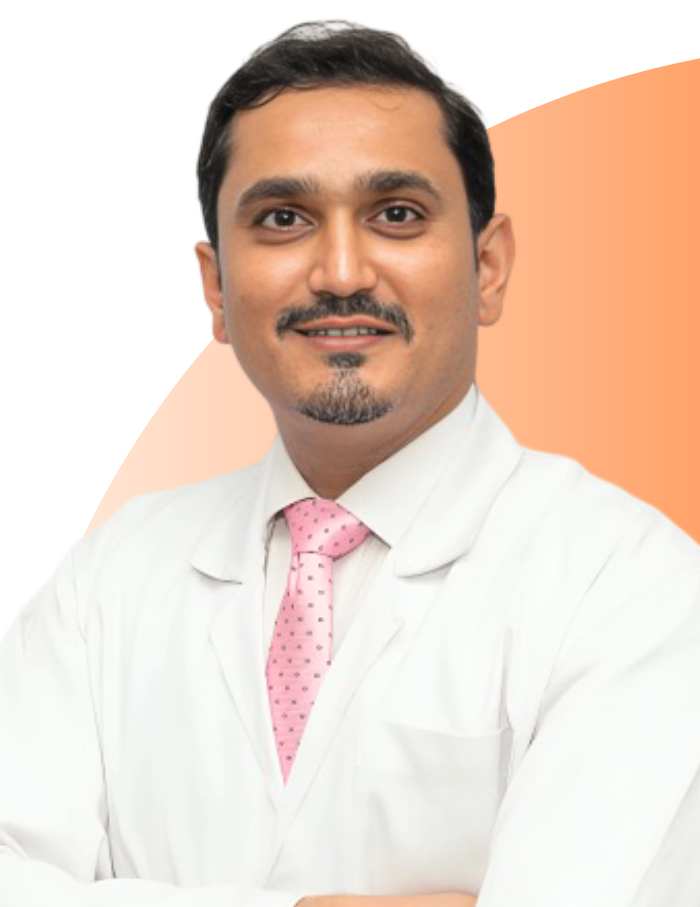
Dr. Tushar Chaudhari
MBBS, MS (ORTHOPAEDCS), TRAUMA & JOINR REPLACRMENT SURGEON