
Menu
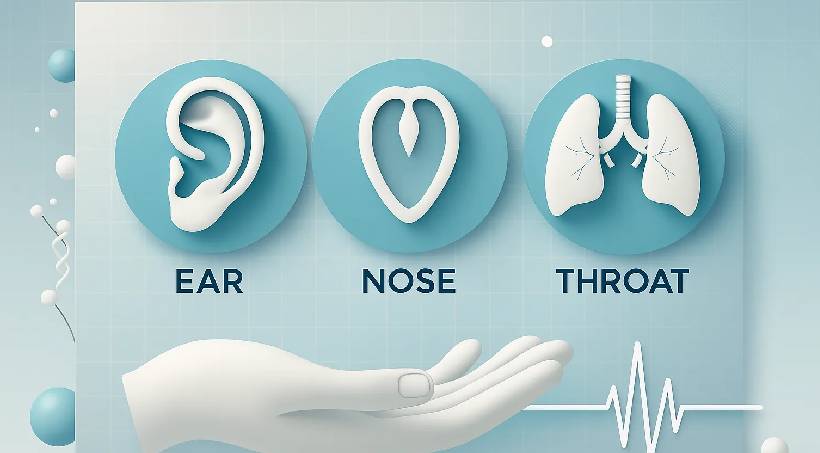
A doctor of ear, nose, and throat (ENT) is an expert in anything relating to those body parts. They are also known as otolaryngologists.
This medical specialty may be among the nation’s oldest, according to some historians. It originated in the 1800s when doctors learned that the ears, nose, and throat were interconnected systems that required specialized understanding.
What Is an ENT’s Role?
ENTs treat both adults and children for issues relating to the head, neck, and ears, such as:
- Hearing
- The tonsils and adenoids
- The thyroid
- The sinuses
- The throat
- The oral cavity
Motives to Consult an ENT
You may need to see an ENT if you experience long-term (chronic) throat, ear, or sinus issues.
Ear infections are one of the most frequent reasons parents take their children to the doctor. ENTs typically prescribe antibiotics, but if infections recur, they may recommend surgery.
An infection of the tonsils is known as tonsillitis. Doctors often prescribe medicines to treat it, but if it doesn’t improve, they may advise having the tonsils removed.
ENTs Treat the Basic Processes of Life
Imagine not being able to hear a singer’s beautiful music or not being able to speak clearly.
These functions are essential human needs. Life becomes difficult or even dangerous when these functions do not work properly.
ENT specialists treat conditions related to hearing and balance, swallowing and speech, breathing and sleep issues, allergies and sinuses, head and neck cancer, skin disorders, and even facial plastic surgery. Although commonly called “ENT,” these specialists are officially known as otolaryngologists (pronounced: oh/toe/lair/in/goll/oh/jists).
What Illnesses Are Treated by ENTs?
General otolaryngologists treat a wide range of problems and do not limit their practice to just one area of the head and neck. Some ENT specialists choose to further specialize in the following fields:
Otology/Neurotology (Ear)
Balance and hearing are essential for daily life. ENT doctors treat ear infections, hearing loss, vertigo, tinnitus, and ear, face, and neck pain, among other conditions.
Nose (Rhinology)
Our nasal passages help us breathe by filtering allergens, dirt, and other harmful substances. ENT specialists treat allergies, deviated septum, rhinitis, sinusitis, sinus headaches, migraines, nasal obstruction, and tumors near the base of the skull, including those inside the cranial cavity.
Throat (Laryngology)
Disorders that affect talking and swallowing can significantly impact quality of life and the ability to work. ENT specialists treat sore throat, hoarseness, GERD, infections, throat tumors, airway disorders, and vocal cord abnormalities.
7 Orange Multi-Specialty Hospital