
Menu
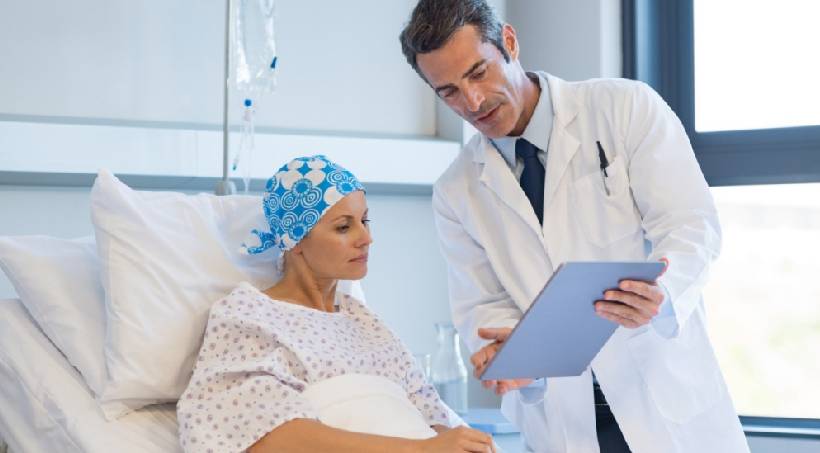
An Oncosurgeon is a specialist who diagnoses and surgically treats different types of cancers. They manage tumors of the breast, head and neck, gastrointestinal tract, lungs, skin, soft tissues, and various other organs. Oncosurgeons evaluate the extent of the disease, plan appropriate surgical procedures, and work closely with medical and radiation oncologists to provide comprehensive cancer care. Their primary goal is to remove cancerous tissues safely while preserving normal function and improving the patient’s overall quality of life.
Causes
Cancers treated by oncosurgeons can develop due to multiple factors, such as:
- Genetic Mutations: Changes in DNA that lead to uncontrolled cell growth.
- Family History: A higher risk when close family members have cancer.
- Lifestyle Factors: Smoking, alcohol consumption, unhealthy diet, obesity, and lack of physical activity.
- Environmental Exposure: Radiation, chemicals, pollution, and long-term exposure to harmful substances.
- Infections: Certain viruses or chronic infections that can trigger cancer development.
- Age-related Changes: Increased risk with aging due to long-term cell damage.
Symptoms
Cancer symptoms vary based on the organ involved, but common signs include:
- Unexplained lumps or swelling in any part of the body.
- Persistent pain that does not improve with routine treatment.
- Sudden weight loss or loss of appetite.
- Changes in bowel or bladder habits.
- Non-healing ulcers or wounds.
- Breast changes such as lumps, discharge, or skin dimpling.
- Abnormal bleeding from any site.
- Difficulty swallowing, persistent cough, or breathlessness.
Early recognition of symptoms improves the chances of successful treatment.
Treatment
The treatment approach by an oncosurgeon is planned based on the type, stage, and location of cancer:
- Surgical Removal of Tumors: The primary treatment where cancerous tissues are removed along with a safe margin to reduce recurrence.
- Minimally Invasive Surgeries: Laparoscopic and robotic techniques that offer smaller cuts, faster recovery, and less discomfort.
- Biopsies: To confirm diagnosis and determine the type of cancer.
- Reconstructive Surgeries: To restore function or appearance after major tumor removal, such as breast reconstruction.
- Coordination with Other Specialists: Working with medical and radiation oncologists for chemotherapy, targeted therapy, immunotherapy, and radiotherapy.
- Post-Operative Care and Rehabilitation: Pain management, wound care, physiotherapy, nutritional guidance, and follow-up screening.
Conclusion
Oncosurgeons play a crucial role in the fight against cancer by providing precise surgical treatment and guiding patients through every stage of care. With advanced technology, early detection, and a multidisciplinary approach, cancer outcomes are significantly improved. Proper awareness, timely evaluation, and expert surgical care help patients achieve better recovery, comfort, and long-term health.
7 Orange Multi-Specialty Hospital