A Gastrosurgeon is a highly specialized medical professional who diagnoses and surgically treats diseases of the digestive system, including the esophagus, stomach, small intestine, large intestine, liver, pancreas, gallbladder, and bile ducts. Gastrosurgeons manage both routine and complex gastrointestinal conditions using advanced surgical techniques.
These specialists play a crucial role in treating disorders that cannot be managed through medication alone and require surgical intervention for long-term relief and recovery.
When Should You Consult a Gastrosurgeon?
A patient may be referred to a gastrosurgeon if they experience persistent or severe digestive problems such as:
- Chronic abdominal pain
- Difficulty swallowing
- Persistent acidity or acid reflux
- Unexplained weight loss
- Blood in stool or black stools
- Jaundice (yellowing of eyes or skin)
- Recurrent vomiting or bowel obstruction
Gastrosurgeons are often involved when diagnostic tests indicate conditions requiring surgical treatment.
Conditions Treated by a Gastrosurgeon
A gastrosurgeon can diagnose and treat a wide range of gastrointestinal disorders, including:
- Gallstones and gallbladder diseases
- Hernia (inguinal, umbilical, incisional, hiatal)
- Appendicitis
- Gastric and intestinal ulcers
- Gastrointestinal cancers (stomach, colon, rectum, liver, pancreas)
- Liver diseases and bile duct disorders
- Pancreatic diseases
- Intestinal obstruction and perforation
- Hemorrhoids, fissures, and fistulas
Procedures Performed by a Gastrosurgeon
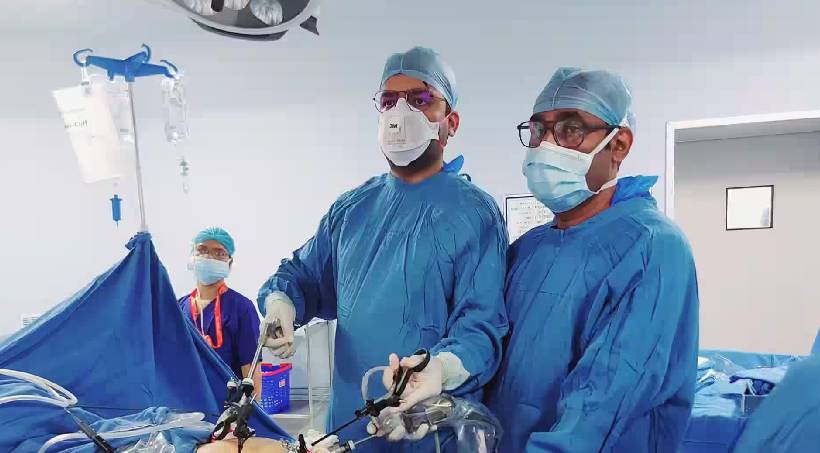
Modern gastrosurgeons use both open and minimally invasive (laparoscopic or robotic) surgical techniques, including:
- Laparoscopic gallbladder removal (cholecystectomy)
- Hernia repair surgery
- Appendix removal (appendectomy)
- Colorectal surgery
- Bariatric (weight loss) surgery
- Liver and pancreatic surgeries
- Surgery for gastrointestinal tumors and cancers
- Endoscopic and minimally invasive procedures
What to Expect During Consultation
A gastrosurgeon will conduct a thorough evaluation by reviewing the patient’s medical history and performing a physical examination. Diagnostic tests may include blood tests, imaging studies (ultrasound, CT scan, MRI), endoscopy, or colonoscopy.
Based on the diagnosis, the surgeon will recommend the most appropriate treatment plan, focusing on patient safety, faster recovery, and optimal outcomes.