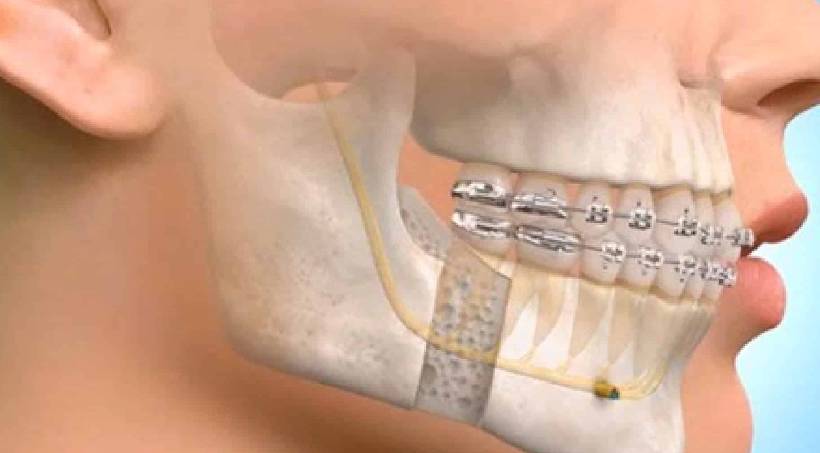
A unique branch of dentistry is known as maxillofacial surgery. It involves surgical procedures to treat conditions, injuries, and defects of the face, jaw, and mouth. Maxillofacial surgeons are highly skilled professionals who identify and treat issues related to:
The bones of your jaw and the tissues in your lower face (maxillofacial area)
The roof of your mouth (palate)
The Purpose of Maxillofacial Surgery
Surgery in the maxillofacial region is performed to:
Improve jaw movement
Relieve pain
Maxillofacial surgery can treat a variety of dental issues and conditions, including:
Preparing for dental implants and oral prosthetics (such as dentures)
Inserting dental implants
Determining and removing the causes of persistent dental pain
Removing impacted teeth
Treating oral conditions
Procedures are also used to treat jaw problems, such as:
Replacing missing jawbone using bone grafting
Rebuilding the jaw to correct a misaligned bite
Treating disorders of the temporomandibular joint (TMJ), which connects the lower jaw to the skull
Treating injuries caused by trauma to the mouth, jaw, or face
Before Maxillofacial Surgery
If you require maxillofacial surgery, your primary care physician or dentist will refer you to a specialist.
During the consultation, the maxillofacial surgeon will:
Ask about your symptoms, medical history, and current medications
Examine your oral cavity and surrounding structures
Order tests such as dental X-rays or 3D scans to obtain accurate images
Identify the problem and recommend surgery or other treatment options
How Maxillofacial Surgery Is Performed
The surgical method varies depending on the issue being treated. Some procedures can be performed on an outpatient basis, allowing you to go home the same day. Other cases may require multiple procedures to achieve the best results.
Maxillofacial surgeons are trained and authorized to administer anesthesia to reduce or eliminate discomfort. Your medical team will inform you whether anesthesia is required and which type is appropriate.
Toward the end of the procedure, your surgeon may use stitches to close surgical wounds. Packing may also be placed in your mouth to absorb fluids like blood or pus and to protect the treated area.