
Menu
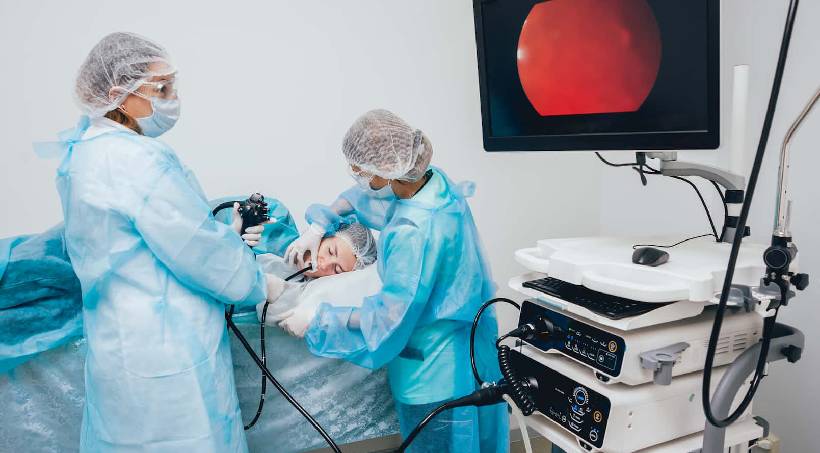
The Gastroscopy Department is a specialized unit dedicated to the diagnosis and management of upper gastrointestinal (GI) tract disorders using advanced endoscopic techniques. Gastroscopy, also known as upper GI endoscopy, is a minimally invasive procedure that allows direct visualization of the esophagus, stomach, and duodenum to detect abnormalities, monitor chronic conditions, and guide therapeutic interventions.
The department integrates high-definition endoscopic equipment, skilled gastroenterologists, and patient-centered care to ensure safe, accurate, and effective evaluation and treatment of upper GI conditions.
Scope of Services
The Gastroscopy unit provides comprehensive diagnostic and therapeutic services, including:
- Diagnostic Gastroscopy: Identification of ulcers, gastritis, esophageal reflux, tumors, varices, and other upper GI conditions.
- Therapeutic Endoscopy: Procedures such as polyp removal, bleeding control, dilation of strictures, and stent placement.
- Biopsy and Histopathology: Collection of tissue samples for microscopic analysis and early detection of malignancies.
- Helicobacter Pylori Testing: Detection and monitoring of H. pylori infection linked to ulcers and gastric disorders.
- Surveillance Endoscopy: Monitoring of chronic conditions such as Barrett’s esophagus or post-surgical changes.
Key Objectives:
- Enable early detection and diagnosis of upper GI disorders.
- Provide minimally invasive therapeutic interventions.
- Improve patient outcomes through timely diagnosis and treatment.
- Support ongoing management of chronic gastrointestinal conditions.
Infrastructure & Technology
The Gastroscopy Department is equipped with modern endoscopy infrastructure to ensure precision, safety, and patient comfort:
- High-Definition Endoscopes: For detailed visualization of the upper GI tract.
- Video Imaging Systems: Advanced monitors and recording systems for accurate diagnosis.
- Endoscopic Accessories: Forceps, snares, injection needles, and devices for therapeutic procedures.
- Patient Monitoring Equipment: Continuous monitoring of heart rate, blood pressure, and oxygen saturation during procedures.
- Sterilization & Infection Control: Automated endoscope reprocessing units, sterilizers, and strict hygiene protocols.
- Recovery and Observation Area: Comfortable post-procedure monitoring for patient safety and recovery.